Welcome To
Reverence Farms
Welcome To
Reverence Farms
Reverence Farms




Reverence Farms is a different kind of dairy. Our cows are mothers. We milk them alongside their calves on pastures we tend like gardens. They gift us sunshine in a glass.
The herd has been hand-selected for decades to perform this sacred task. Beyond producing A2A2 grass-fed milk, our cows are also raising the next generation of well-mannered Jersey sires that are up for the task of rebuilding dairy from the soil up.
Just as the family milk cow is the center of the homestead, dairy farms are tender organisms historically at the center of communities. We stand on the shoulders of those who have heeded the call before us, and humbly teach the next generation the husbandry needed to refresh the soul of family-scale, pasture-based dairy as the bedrock of stable, vibrant and vital rural economy.

Grazing in drought
Want to have pastures like this?
We want you to be wildly successful and be able to graze your animals in drought on fields like this, too. Let's start!


You moved out to the country (or are thinking about it...) because you wanted to be self-sufficient. You've read the books. You've watched some YouTube. You've got grit and land and a desire to do things right.
What happens when your animal goes down and you have no idea what you're looking at?
Most people panic. They call the vet (if there even is a vet nearby), they feel helpless. Then they get the bill. Sometimes the didn't know enough to call soon enough. So they get a bill and dig a hole. Sometimes they annoy the vet with 30 questions about skin conditions and the vet doesn't call when it matters most.
Here's what no one tells you: having a relationship with a livestock vet isn't like getting drive-through dinner. You have to know something to even establish a productive relationship.
And the worst part? Half the time, if they'd just known what they were looking at, they could've handled it themselves.

Nobody teaches this stuff. Not really. The books with depth are written, in theory, for commercial operations. The homesteading books are often shallow in the places where it really counts. The YouTube videos stop right before the part you actually need. Or was thrown up by someone who is five years in and is just a newbie with an audience and a camera. So you're winging it. With a living animal. On a timeline that doesn't care how new you are.
I wish I could unhear how many times I've heard about huge vet bills and that also came with a bill for a backhoe.


DrK has been a holistic dairy vet for over 30 years. He's seen everything. Milk fever at midnight. Retained placentas. Calves that won't nurse. Cows that won't eat. Emergencies that look scary but aren't. And emergencies that look fine until they aren't.
Real situations on real farms. Real animals, real problems, real decisions and real outcomes explained in plain language, on camera, in pdfs, audios, lectures and case studies — so you know exactly what you're looking at when it's looking back at you. So you can prevent the problem before it's a train-wreck. So you can actually enjoy your animals instead of panic-searching and wondering.

The Manual is searchable. There’s printable sheets for your barn binder. It works at 3am. You don't have to ask a group and wonder who actually knows what they are talking about and who is just regurgitating. And unlike your nearest farm vet, it's available right now.


BOOKS DESCRIBE. THE MANUAL SHOWS.
You can read 300 pages about milk fever and still not recognize it when you're staring at a downed cow. Seeing it on video, with commentary from a vet who has treated hundreds of cases, is a different category of knowledge entirely.
THE INTERNET LIES. THE MANUAL DOESN’T.
Facebook farm groups are full of confident people who are confidently wrong. Dr. Karreman has 35 years of clinical practice and a farm that runs exactly like yours: calves on cows, multiple species. The difference between his wisdom and a stranger's advice is the difference between saving your animal and losing it.
EMERGENCIES DON’T SCHEDULE THEMSELVES.
The vet call you need at midnight on a Sunday will cost you hundreds for the emergency visit alone – if you can even get one out. You don't know how alone you are until you have a real need. The Manual is the knowledge that helps you handle what you can handle, so you know when you actually need to call. The Manual also talks about how to have a good relationship with your vet. One Manual holder said that the knowledge she has learned has allowed her to have the kind of relationship with a vet that he leaves her all the medicine she needs because he trusts her to use it well. That is priceless.
Not a course. Not a book. A Manual.
The Stockholder's Manual is a living, digital resource built by Hubert J. Karreman, VMD, and Suzanne Karreman of Reverence Farms who own a working 60+ cow regenerative dairy in North Carolina that runs more like your homestead than a commercial operation.
It's a digital resource and a printable manual in one. Inside you'll find over 250 video case studies of situations you are actually likely to encounter filmed on real farms, with real animals, in real emergencies. Not staged. Not theoretical. And every time they add new case studies and how-tos, you get them automatically.


Nothing like this has ever been built. There is no other resource in the world that attempts to be this comprehensive, this visual, and this grounded in the reality of small-farm livestock husbandry. We're not being dramatic. We looked.
Introduction to The Stockholder's Manual
Let's Cover The Basics
Disclaimer
The Stockholder's Manual Transcript
Introduction
What Does it Mean to Be Holistic?
Does Being Holistic Mean Using Natural Treatments?
Difference Between Care for Pets vs Farm Animals
Should I Have More Than One Cow?
Fundamentals You Need to Know
Printable Content
Drk's Lecture Series Transcript
Dry-off Guide
Treatment for Grain Overload (Preventing Acute Acidosis)
DrK's Fly Spray Recipe
How to Pick a Semen Tank (new & used)
Feed Rations
Lameness: My cow is walking odd
The Atlas
The Atlas By Chapter:
Calving
Digestion
Hoof & Lameness
Mouth & Teeth
Milk Fever / Ketosis
Odd & Rare Conditions
Pink Eye
Respiratory
Skin Issues
Udder
Strategies & Tools
The Immune System
Practical and Applicable Knowledge
How to Do a Complete Physical Exam
Choosing Your Local Vet
Importance of Vet Relationships
Holistic Treatments
This is your opportunity to get a first hand look at how Dr.Karreman thinks and acts when it comes to treating animals holistically – he will download his brain and experience.
Techniques for Prevention
Modes of Treatment
Conventional Treatments
Biologics
Introduction to Botanicals
Dr.K's Remedies (Botanicals)
Homeopathy
Acupuncture and Physical Medicine
Iron, Copper & Liver Health
DrK's Holistic Products
BreatheWell
EatWell
EyeWell
FeelWell
GetWell
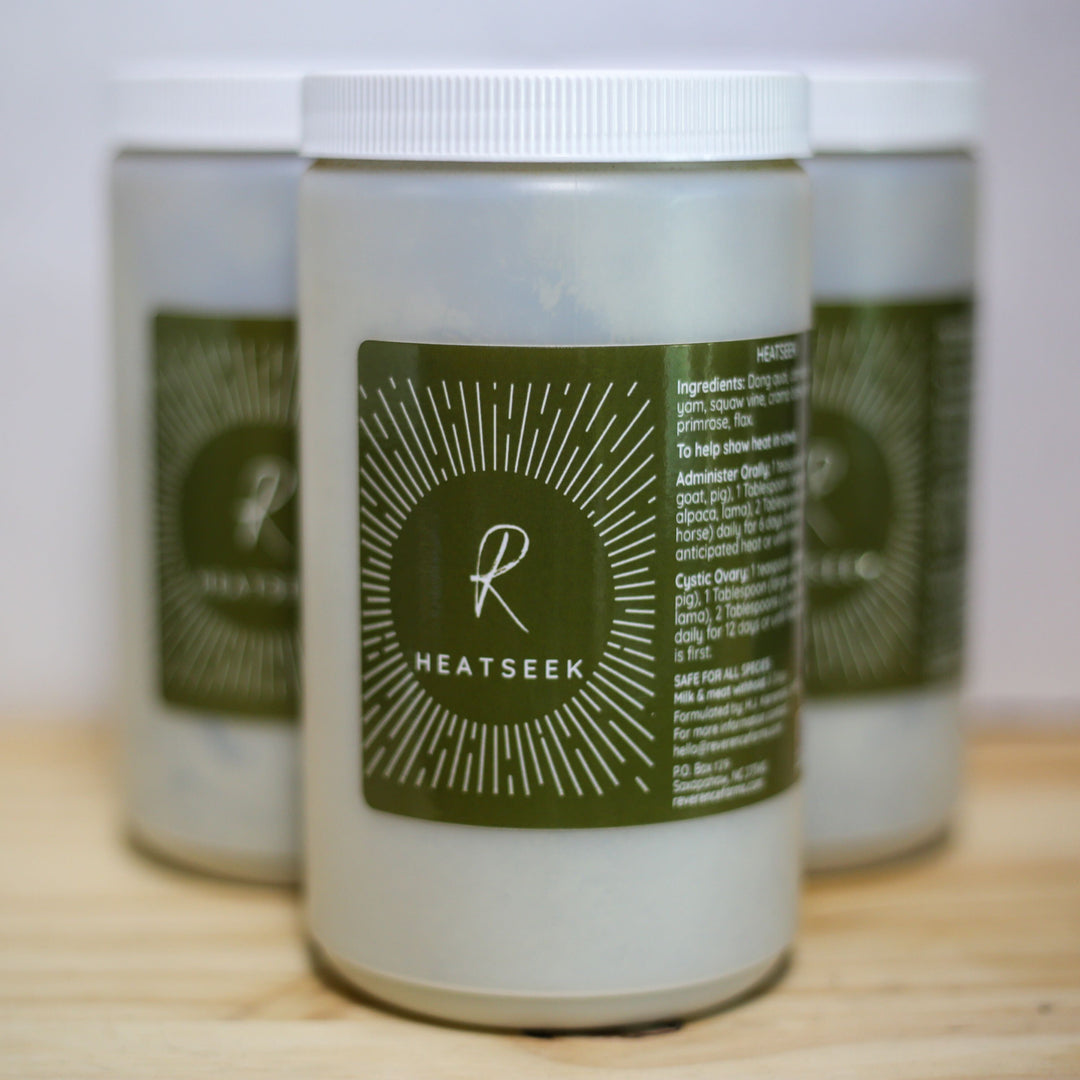
HeatSeek
LivWell
TummyWell
UdderWell
Calving
Intro to Calving
Bumping Calf Video
Calving in Barn
Calving Setting – Relaxed
Calving Setting – Agitated
Calving Setting – Herd Midwife
Calving Setting – Privacy
Calf in Amniotic Sac
Removing Amniotic Sac – Quick Delivery
Removing Amniotic Sac with Cow
Stalled Labor & Breaking Water Bag
Assisting Calving I
Assisting Calving II
Assisting Calving III
Assisting Calving IV
Assisting Calving V
Helping a First-calf Heifer
Calving While Standing
Manure During Birth
Cow Nursing on Herself While Calving
Normal Calving with Light Assistance
Unideal Calving
How to Stimulate Newborn to Breathe
Cow Needs Help Calving – One Foot of Calf is Backwards
Heifer not progressing; water broke
Post-calving/lambing/kidding
The first few hours of life are the most foundational for the entire life of the animal. Managing colostrum, the umbilicus and sanitary conditions are crucial.
Cow Eating Placenta
Normal Cow Behavior – Cleaning Calf
Normal Cow Behavior – Stimulating Calf
Normal Cow Behavior – Postpartum
After Calving Care: Colostrum & Calcium
Importance of Colostrum – Helping Calf
Calf Rising to Nurse Timeframe
Checking for Full Belly on Calf – Side View
Importance of Colostrum – Complete Feeding
Calf Laying to Nurse – Calf Shaking
Calf Laying to Nurse with Guidance
Deep Udder & Nursing – Monitor Feeding
Calf & Cow Laying to Nurse
Calf Nursing in P arlor/Stall
Helping Calf Nurse
Deep Udder & Nursing – Position
Checking for Full Belly on Calf – Top View
How to Administer Bovikalc Bolus
Importance of Calcium at Freshening
What to do once the animal is born
Feeding Calves
Happy & Healthy Calf
Umbilicus Care
Checking For Retained Placenta
Helping Placenta Eject
Mitigating Stress after Calf Loss
Moving Calf & Cow Pair
Normal Calf Poop
What to Do to Support a Weak Calf
Checking Calf Hydration
How to Graft an Adopted Calf on a Cow
Cow Adopting Calf
Cow not producing? Tubing colostrum quickly turns around calf
Calf Rearing
How to Feel a Calves Belly for Fullness
A calf got too much milk? Giving Electrolytes
Part 1 Raising Calves on Cows
Part 2 – Weaning Calves
The Blue Nose Ring
Weaning Nose Ring
Weaning Nose Ring for Determined Calves
Permanent Nose Rings: Pain-Free Reminders Not To Suck (NOT For Weaning)
When, Why and How We Use Antibiotics
Rolling a Calf to Un-twist a Stomach
How to Tube a Calf
How to Tube a Calf with One Person
Raising Bull Calves
Behavior & Training
First Time Heifer in Milk Parlor
Difficult First Calf Heifer
"Mean" heifer advice
Lambing
Lambing
Lamb Nursing
Lamb Nursing – Check for Complete Feeding
Milk Fever
Milk Fever
Early Milk Fever
Pupil Contraction with Milk Fever
Giving CMPK IV
Milk Fever Treatment
Milk Fever Treatment – Aborted Calf
Administering Bovikalc
Call with Dr . K about milk fever
Milk Fever Call with Suzanne
Retained Placenta
Retained Placenta
Retained Placenta with Therapeutic Treatment
Checking After Retained Placenta
Aborted Calf & Retained Placenta
Dead Calf & Retained Placenta
Administering IMPRO – Retained Placenta
Udder Health
Mastitis and Udder Health
Dry Off Guide (audio and guide)
Acute Teat Injury
Pictures of Extra Teats on Cows & Calves
Extra Teat Canal/Cistern
Gas in Udder
Let Down
Helping Calf Nurse while Laying Down
Cow Nursing on Herself
Injecting IMPRO
Udder Rot, teat scabs and possible lice
Blood in milk/pink milk
Teat Degloving
Teat cuts/lesions due to calves
The role of diet in udder health
Edema in front of udder
Unhealing lesion on udder
Non-pregnant (open) cow dripping milk
Mastitis
Mastitis & Udder Health
Mastitis
Coliform Mastitis: Organic Treatment
Coliform Mastitis – Treating Immediately
Coliform Mastitis – Late Treatment
Chronic mastitis – cow fresh again
Coliform Mastitis
Staph aureus
Treating Staph Aureus
Staph A Discussion
Staph A with low SCC
3 Types of Staph-A and Making Dairy Products
Staph-A discovered through testing, non-symptomatic
Bought Staph-A cow and now there is Staph-A in the herd
Cow has normal milk – CMT+ – Staph-A
Digestion, Ketosis & Acidosis
Digestive Disturbances and Ketosis
Diarrhea with Blood
Scours
Administering Mineral Oil
Animals eating from a mulch pile, including possibly dangerous plants
Ketosis in Sheep
Cow not eating well, not chewing cud often
Mysteriosis: Cow Intermittently Off-feed, In Pain
Grass Tetany
Treatment for Grain Overload (Preventing Acute Acidosis)
How To Put Condition On A Skinny Cow
Different types of bloat require different treatments
Feeding Grain
Grain Overload
Cow with free-gas bloat, standing,"off"
Preventing & Treating Bloat
Down animal: positional bloat
Parasites
Parasitism
DrK's Fly Spray Recipe
Pink Eye
Pink Eye
Giving Cow EyeWell for Early Pink Eye
Giving Calves EyeWell for Early Pink Eye
Eye Irritation – Treatment to Prevent Pink Eye
Respiratory
Pneumonia
Labored Breathing
Euthanasia of calf after protracted pneumonia
Hoof & Joint Health
Lameness
Spotting Lameness in Gait
My cow is walking odd
Flushing Infected Joint
Examining Hooves
Sheep Lameness
How to Trim Goat/Sheep Hooves
Mouth & Teeth
Cheek Abscess
Dental Care
Irregular Jaw Movement
Tooth Extraction
Floating Teeth On Ewe
Reproduction
Detecting Heat
Heat-Detection Patch
Cow Signal for Heat Detection
Mounting
AI – Artificial Insemination
Pregnancy Check
Pregnant Cow Behavior
Normal Discharge
Opaque Discharge
Semen in Discharge
Drawing Tail Blood for Pregnancy Test
Blood Tail Draw Pregnancy – Setup after blood draw
Reading Pregnancy Test From Blood Tail Draw
Pregnancy Test Palpation – 5 Months Pregnant
Pregnancy Test Palpation – 75 days pregnant
Pregnancy Checking Cora
Pregnancy Check – Cow Due Day Before
Black Leg
BlackLeg – Needs Immediate Treatment
Black Leg
Black Leg I
Black Leg II
Black Leg III
Vet call with DrK about Black Leg
DrK Treats a 4 month old calf
Odd & Rare Conditions/Situations
Dropped Hook Bone
Amputation, deer leg
Creating Healing Stall/Area – Deer
Hardware Disease
Investigating sudden cow deaths: anemia, blood in urine & herd health
Udder gored by horn, milk leaking out
Sheep and Goats
Helping Lamb to Thrive
Sitting a Sheep
Disbudding Sheep/Goat
Treating Infected Wound – Sheep
Drenching Sheep I
Drenching Sheep II
Lameness in Sheep
Sheep Toxemia
Older Sheep
Goat Ear Laceration
Lambing, kidding, calving and late-term pregnancy issues
Treatments & Antibiotics
Antibiotics
Grain Overload Protocol
Tying Cow for IV
Tying a Slip Knot
Tying a Slip Knot II
Importance of Restraining
How To Give IV
Antibiotics for abscess
Treating Severe Skin Sloughing
Surgical Removal of Wart
Flushing Infected Joint
Checking for "pings" or a twisted stomach & for "hardware" disease
Chiropractic Care I
Chiropractic Care II
Chiropractic Care III
Moving Cow on Sled
Administering Whey
Giving Probiotic-rich Yogurt
Administering BoviSera
Drying off a cow with UdderWell and T -Hexx
Checking for Dehydration
Dehydrated Cow – Tubing
Tubing a Calf
Calf Bolus
Drenching a Calf
Drenching a Calf II
Pumping Water – Fertility Treatment
Administering Bolus in Uterus
Bull with Broken Back
Why your vet uses Excede and when/why to reconsider
When, Why and How We Use Antibiotics
Dressing a Leg Wound
Why do we treat livestock fevers?
Does this need stitches?
How To Protocols
How to Pick a Semen Tank (new & used)
How to look over a new animal for purchase
Giving an Injection
What size needle should I use?
Injection in Jugular Vein
Reversing Sedation
Administering Tinctures
How to administer calcium bolus
Parvo Protocol
Feed Rations
Disbudding, Dehorning, Castration and Tattooing
Dehorning Video
Bovine Leukemia Virus
BLV : Thoughts and Strategies
Diseases
When, Why and How We Use Antibiotics // A Case of Possible Joint Ill
Why We Vaccinate Bulls Before Shipping
Handling Bulls: Disease Testing and Professional Talk About Disease
Common Diseases
Cow aborted in later pregnancy: Neospora caninum (document)
Body Condition and Rumen Fill
Rumen Scoring
Dr K's Closing Remarks


The vet your grandpa would’ve called.
Dr.K spent decades in the trenches with organic and holistic livestock – not in a lab, not writing theory, but on farms. Real ones. Big ones and small ones. Farmsteads that look like yours.
He’s written books. He consults with farms across the country. He has spoken on stages around the world. And when he and Suzanne built the Stockholder's Manual, they built it because they were tired of watching good homesteaders lose good animals to problems that were entirely solvable – if only they'd known what they were looking at.
The knowledge gap between you and someone who's done this for 30 years just closed.
ONE PAYMENT. LIFETIME ACCESS. NEW CASE STUDIES ADDED AUTOMATICALLY.
It's the closest thing to having a holistic farm vet on call, forever, without the invoice.
Get Instant Access for $297

Let’s address the skeptic in the room:
"I've got books. I don't need a digital product."
We love books too, but your books will tell you what milk fever is. The Manual will show you what milk fever looks like when your 1,200-pound cow is down in the mud at dusk and you have fifteen minutes to make a decision. These are not the same thing. Nobody in the history of agriculture has read a textbook and then successfully eyeballed a subclinical ketosis case for the first time. Seeing it on video, with commentary is categorically different from reading about it.
Sure we are all trying to be on our phones less, that’s why you bought dirt. But when your cow goes down, your screen time goes up substantially googling, YouTubing, “talking” to AI, rummaging through Facebook advice (please don’t) – all when you could just use the search tool inside the Manual, watch a 5 minute video and be done on your phone.
“I’ll just call my vet”
Great plan. Your vet will love hearing from you at 11pm on a holiday weekend. And when the after-hours emergency call costs a couple hundred $$ before they've even looked at the animal, you'll wish you already knew whether this was a real emergency or something you could handle yourself. The Manual teaches you to know the difference. That's not replacing your vet. That's being a better steward so your vet can focus on the cases that actually need them. We have testimonials where people have saved 4-5 vet visits already, and their vets will now talk to them like peers and leave them prescriptions to have on-hand. This is the stuff that lights us up. This is what changes the countryside. We can’t live a pastoral life of our dreams if we are burying livestock. These are the skills that actually make the life you want possible.


“I can find all of this on YouTube for free.”
You can find someone's uncle trying to treat a cow on YouTube, yes. But when your animal is in pain and circling the drain, you don’t have 4 hours to peruse YouTube to find something you hope is the answer. Yes, you can also find 482 conflicting opinions in a Facebook group. What you cannot find, anywhere, for any price, is 250+ case studies assembled by a vet & farmer team with 30+ years of experience, organized specifically for the homesteader and small farmer, updated continuously as new cases arise. We genuinely looked. Nothing like this exists. This is it.


“It’s a lot of money just for dairy cow information. I have a variety of animals.”
This Manual is for anyone who has livestock. Most of the discussion is about cows, and some sheep, but all of the treatments are applicable to farm animals generally. This is not some theoretical guide. This is nitty-gritty, in-the-trenches stuff from a veterinarian and a dairy farmer who have together been in this for more than five decades. This is a steal at this price. This is easily a $1000 eduction. And it's true worth is whatever your animal is worth to you. It can save their life.


Nothing like this has ever been built. Nothing.
No one else has attempted to create a video-based, vet-built, homestead-focused case study library of this scope. Not the extension office. Not the land-grant universities. Not any publisher. Not anyone on the internet. Reverence Farms did it, because someone had to.
You got into this life because you wanted to do it right. To actually know your animals, take care of them, and not lose them to ignorance. The Manual is the resource that matches that commitment.
Built by farmers, for farmers. When you buy the Manual, you're supporting a family farm in North Carolina that exists to help operations like yours succeed. This isn't a course company. This is Reverence Farms.


Dairy cows brought Suzanne and Hue together — he was the vet giving a talk at a 2015 Acres USA conference, and she was the farmer in the front row. Five months later they were married and farming together. Caring for their own 70-cow Jersey herd and helping others to grow their pastured-dairy dreams now consumes their days.


our impact
Reverence Farms Featured In The News
This land means so much to us, it’s humbling when local or national media picks up on what we’re doing here. "Reverence Farms looks to be a model of local sustainable agriculture, and we love talking shop to anyone who asks."
Whether you are local to Reverence Farms and looking to purchase real food, or farming yourself and want advice & encouragement – subscribe to one of these email lists to receive our newsletters.